
There had to be more to health
than food.
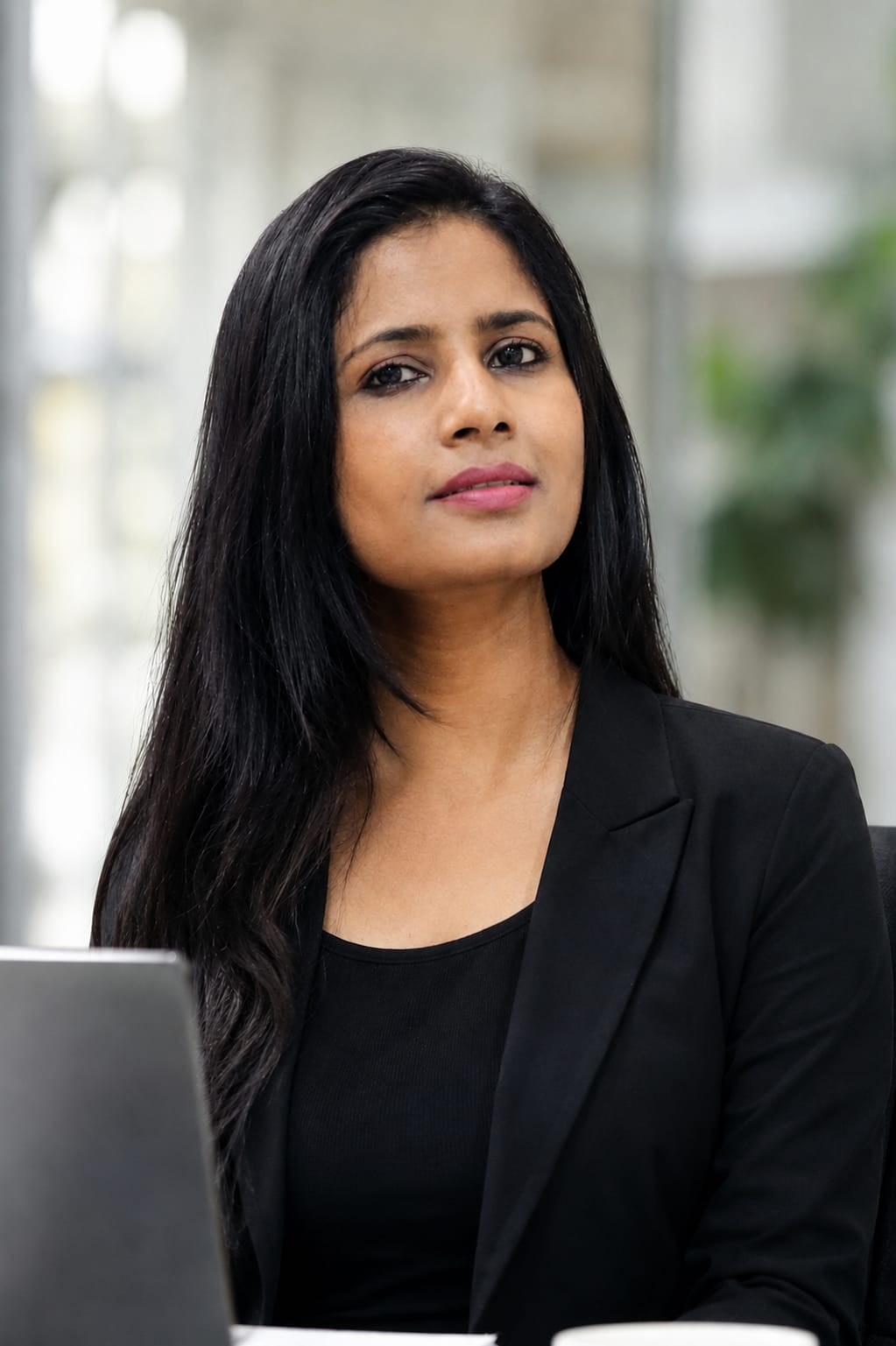
Pratha
Nationally Recognised Nutrition Practitioner (Australia) — HWC, SNC, Menopause Lifestyle Practitioner (WLMO)
Health and wellbeing have fascinated me for as long as I can remember.
Like many people, I wanted to make good choices. I exercised regularly, paid attention to what I ate and genuinely believed that if we followed the right advice, good health would naturally follow.
But over time, I noticed something that didn't make sense.
The things that worked at one stage of life didn't always work at another.
The way we eat in our twenties may not be what our body needs years later.
The way we exercise, recover, manage stress and prioritise our wellbeing also changes.
Yet much of the health advice available today suggests there is one solution for everyone.
The more I listened, the more confused I became.
The world has changed
Our parents' generation lived in a very different world.
There was less access to ultra-processed foods, fewer food choices and far less exposure to the constant stream of health advice we see today. Life moved at a different pace.
Today, we're surrounded by information.
Social media delivers endless opinions about what we should eat, how we should train and how we should live. Much of that advice comes from people living completely different lives, with different goals, different lifestyles and different stages of life.
At the same time, many of us are juggling careers, families, responsibilities and a level of stress that previous generations rarely experienced.
I started wondering whether we were making health more complicated than it needed to be.
The experience that changed my perspective
Several years ago, I underwent a complex heart surgery.
It was one of the most significant health events of my life — and a reminder that health can never be taken for granted.
Like anyone facing a major health challenge, I wanted to give myself the best possible chance of recovery.
Of course, I paid close attention to nutrition and physical recovery. But I also became intentional about protecting my mental and emotional wellbeing.
I focused on managing stress, maintaining a positive mindset, staying connected to the people around me and building the resilience needed to navigate the journey ahead.
Fortunately, I recovered well and was able to return to an active life sooner than many expected.
Looking back, I believe my recovery was supported by more than just physical factors. It was the combination of nutrition, movement, mindset, emotional resilience and support from those around me.
What surprised me was that very little of this was being discussed.
Most conversations focused on food, exercise and medical recovery. All important topics. Yet there was far less discussion about stress, emotional wellbeing and the role these play in health outcomes.
That experience left a lasting impression on me.
If these dimensions of health were rarely discussed during a complex heart surgery, how often were they being overlooked in everyday conversations about health and wellbeing?
Looking for answers
That question stayed with me long after my recovery.
I wasn't looking for another diet.
I wasn't searching for a quick fix.
I wanted to understand what truly influences health, recovery and wellbeing. I wanted evidence-based answers.
I wanted to understand how our bodies change through different seasons of life. Why something that worked ten years ago may no longer be the right fit today. Why some people thrive while others feel stuck despite trying their best. And why health advice often felt fragmented and disconnected.
The deeper I went, the more I realised that health isn't a collection of separate topics. It's an interconnected system.
Each influences the others.
Discovering the bigger picture
What began as a search for answers led me to formal study in Nutrition, Health & Wellness Coaching, Sports Nutrition and Menopause Lifestyle Practitioner certification — the only menopause and women's health certification recognised by the World Lifestyle Medicine Organisation (WLMO).
For the first time, everything started to connect.
The connections
None of these exist in isolation.
And that's what was missing from so much of the advice I had encountered.
Most experts focus on one piece of the puzzle. Few help people understand how all the pieces fit together.
Why I created Aloya
I created Aloya because I believe health should be viewed as a whole, not as a series of disconnected problems.
Different seasons of life require different approaches. Different goals require different strategies. And no single diet, exercise program or wellness trend can meet everyone's needs.
Aloya was built to help people navigate those changes with clarity and confidence.
To understand how nutrition, movement, stress, emotional wellbeing, social connection and purpose influence one another. To create sustainable habits that support healthy ageing and long-term wellbeing.
Most importantly, to help people focus on their inner health — not just their outward appearance. Because healthy ageing isn't about looking younger. It's about feeling energetic, resilient, capable and well.
When we build health from the inside out, confidence often follows on the outside.
The journey continues
Today, I help people navigate different seasons of life with practical, personalised guidance grounded in science and real-world experience.
Not through quick fixes.
Not through trends.
But through sustainable lifestyle changes that support long-term wellbeing.
Because health isn't built in a day. It's built through the choices we make consistently over time.
And every season of life deserves an approach that supports the person we are becoming.
Are you ready to see the full picture?
If you want to age healthy and need the techniques and tools to get there — let's talk.